Awakast News
Web Summit Vancouver 2025 Recap: Partnerships, Product Signals, and Next Steps
Vancouver reinforced demand for practical multi-agent and voice AI implementations where speed and quality control must coexist.
Jun 4, 2025 · 7 min read
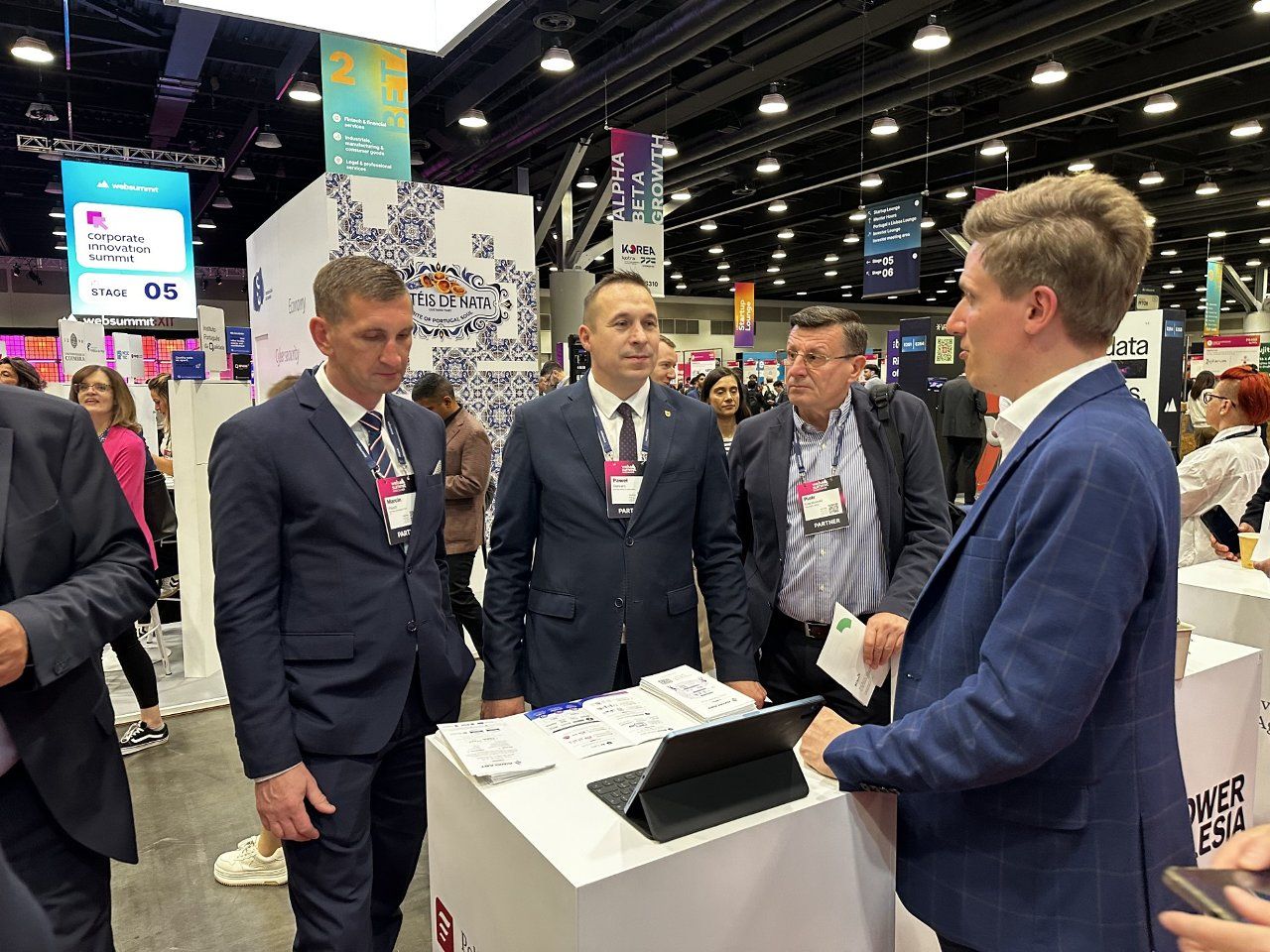
Web Summit Vancouver delivered strong momentum around applied AI. Discussions quickly moved from ideas to implementation details, especially in workflows where communication and decisions are still heavily manual.
Key market signal
Teams are no longer asking whether AI is relevant. They are asking where to start for measurable gain without destabilizing operations.
The most common questions were:
- which workflow should be automated first,
- how fast a pilot can be delivered,
- what controls are required before scale.
Why multi-agent and voice AI stood out
Interest was highest in use cases where repetitive interactions and large information volumes create operational bottlenecks:
- document triage,
- candidate or lead qualification,
- structured follow-up with human escalation.
When designed well, these flows can reduce cycle time quickly while keeping quality stable.
Partnership conversations
Cross-border teams increasingly look for partners who combine senior engineering execution with product accountability. The expectation is clear: no vendor handoffs, just direct ownership of outcomes.
Awakast perspective
After Vancouver, our implementation priorities remain consistent:
- start with one painful bottleneck,
- deliver a measurable pilot fast,
- scale on clean architecture after proof.
That sequence avoids endless PoCs and avoids premature complexity.
Vancouver validated a practical truth: AI advantage belongs to teams that ship reliably, not teams that only demo convincingly.